Selecting the Perfect Criminal Defense Attorney: Safeguarding Your Rights and Future
Determining the right defense counsel is a vital choice. An practiced counsel can considerably influence the conclusion of a case. They navigate intricate legal systems while formulating productive strategies. Parties must understand what to look for in an attorney, including experience areas and client reviews. The effort may appear challenging, but understanding the critical qualities and queries to raise can direct this critical choice. What measures should one take to guarantee they make the greatest selection?
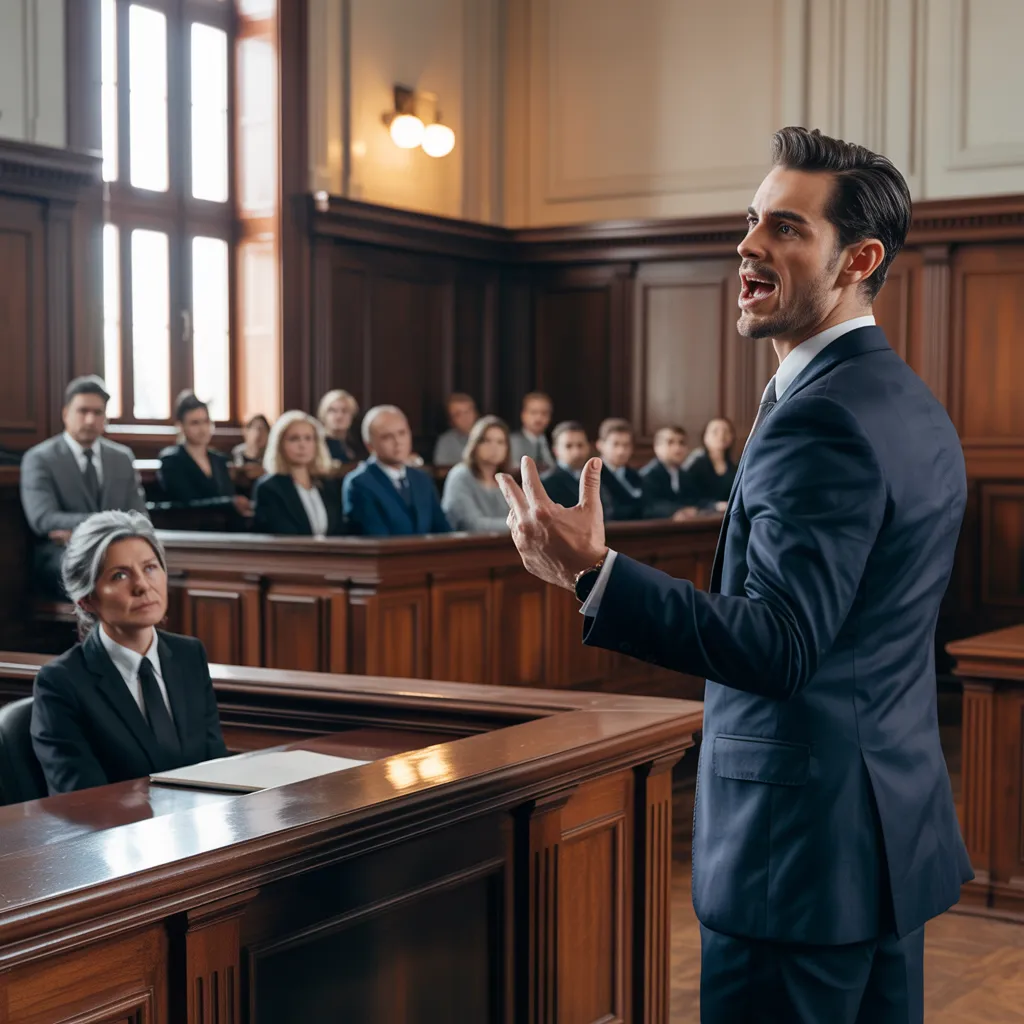
Recognizing the Purpose of a Criminal Defense Counsel
Comprehending the function of a criminal defense lawyer is crucial for anyone navigating the complexities of the legal system. These legal practitioners serve as advocates for individuals accused of crimes, ensuring that their rights are protected throughout the court proceedings. A criminal defense lawyer evaluates the details of a case, examines evidence, and creates strategies to dispute the prosecution's arguments. They offer substantial counsel, helping clients understand their options, potential outcomes, and the implications of plea deals.
In addition, these lawyers represent their clients in court, offering defenses and negotiating with prosecutors. They labor hard to achieve the best possible outcomes, whether through case dismissal, reduced charges, or exoneration. Their expertise extends to comprehending legal procedures, ensuring that the accused navigate the system effectively. Ultimately, a competent criminal defense lawyer plays a important role in protecting the accused's future and aiming for justice.
How Experience and Focus Impact Your Case
When identifying a criminal defense lawyer, the experience and specialization of the legal professional can greatly influence the outcome of a case. An attorney with wide-ranging experience in criminal legal practice often possesses a deeper understanding of fine legal points, courtroom practices, and negotiation techniques. This grasp can be essential in crafting effective defenses and traversing complicated legal systems.
Specialization functions as a noteworthy aspect; legal professionals who focus primarily on criminal defense are more inclined to stay aware of contemporary case law and legal precedent. For case in point, a practitioner that focuses on controlled substance charges will gain strategies and understanding that differ substantially from those relevant to white-collar crimes.
Moreover, qualified attorneys frequently have strong relationships with judges and prosecutors, which can facilitate more favorable plea deals or outcomes. Therefore, selecting a lawyer with the right balance of experience and specialization can significantly affect both the legal strategy and the final verdict.
Essential Attributes for a Competent Criminal Defense Counsel
Identifying the essential characteristics of a effective criminal defense attorney is critical for individuals navigating legal troubles. Key attributes include proven court background, strong communication skills, and deep legal expertise. These qualities not only strengthen the attorney's ability to represent proficiently but also instill confidence in their patrons.
Established Background In Courtroom Environments
Proven experience in court serves as a foundation for any effective criminal defense attorney. This background not only improves an attorney's understanding of courtroom procedures but also equips them with the skills required to traverse complex legal landscapes. A seasoned attorney has likely faced various case scenarios, allowing them to foresee potential challenges and create effective strategies. Their prior courtroom appearances demonstrate a familiarity with judges, opposing counsel, and jury dynamics, which can markedly influence the outcome of a case. Additionally, a robust track record in court can foster confidence in clients, assuring them that their defense is in capable hands. Ultimately, an attorney's background serves as a crucial component in safeguarding a client's rights and shaping their future.
Robust Communication Proficiencies
Effective courtroom strategies constitute only part of what contributes to a criminal defense attorney's success. Effective communication skills are equally key, enabling attorneys to convey complex legal concepts clearly with clients, juries, and judges alike. An effective lawyer must listen actively to ensure they thoroughly comprehend their client's needs and concerns while also addressing any queries. This two-sided communication fosters trust, which is critical in establishing a strong attorney-client bond. Furthermore, powerful communication skills, both oral and written, support the creation of strong arguments and the effective presentation of evidence. A defense attorney’s capacity to articulate their case can heavily influence the result, emphasizing the significance of strong communication in maneuvering through the complexities of the legal system to advocate effectively for their clients.
In-Depth Law Proficiency
While strong communication skills are important, deep legal knowledge remains the key element of a successful criminal defense attorney. An accomplished lawyer must have a solid understanding of criminal law, including laws, case law, and procedural rules. This knowledge allows them to navigate complex legal situations, evaluate the strengths and weaknesses of a case, and develop focused defenses. Familiarity with local laws and regulations can also provide an upper hand in negotiations and court proceedings. Moreover, an attorney’s understanding of legal precedents aids in anticipating the prosecution’s moves, enabling proactive defense strategies. Ultimately, deep legal knowledge empowers a criminal defense attorney to defend clients' rights and advocate effectively, making it an essential quality in the pursuit of justice.
What Queries Should You Inquire of Potential Legal Experts?
When picking a criminal defense lawyer, which points should one stress to guarantee the best fit for their case? First, inquire about the lawyer's experience with cases comparable to yours. Learning their record can shed light on their effectiveness. Next, ask about their strategy for your representation and how they plan to approach your case. This will reveal their analytical skills and level of preparedness.
It's also essential to discuss fees and payment arrangements. Getting clear on costs from the start helps prevent misunderstandings later. Additionally, ask about communication; knowing how often and in what manner the lawyer will update you is review article vital for maintaining a strong client-lawyer relationship.
Finally, ask for references or testimonials from previous clients. This can offer useful insights on the lawyer's effectiveness and customer happiness. By asking these specific questions, people can make informed decisions when choosing their counsel.
Why Customer Recommendations Play a Role When Finding a Legal Representative?
Client reviews serve as a vital tool when selecting a criminal defense lawyer, offering valuable insights into their background and effectiveness. These evaluations can highlight a lawyer's capacity to navigate complicated cases and communicate efficiently with clients. Additionally, favorable reviews can help evaluate the reliability and reliability of a potential attorney.
Understanding Of Experience
Comprehending the subtleties of a criminal defense lawyer's background is critical, particularly when assessing the effect of client reviews. Reviews often deliver perspective into a lawyer's ability to navigate complex cases and their competence in court. Clients regularly share their encounters regarding communication, case management, and outcomes, which can uncover a lawyer's strengths and drawbacks. Positive reviews may indicate a lawyer's competency in specific areas of criminal law, while negative feedback can highlight potential red flags. Additionally, the volume of reviews may show a lawyer's reputation within the legal community. By analyzing this feedback, potential clients can make informed selections, ensuring they choose a lawyer who aligns with their specific needs and expectations for defense.
Trustworthiness Assessment
Assessing a lawyer's trustworthiness is crucial in the selection process. Client testimonials serve as a significant gauge of a lawyer's reliability and integrity. Positive testimonials can indicate a lawyer's ability to interact effectively, copyright ethical standards, and fight passionately for their clients. Conversely, unfavorable reviews may reveal trends of unprofessional behavior or inadequate legal service. Prospective clients should look for reviews on multiple platforms to gather a thorough view of the lawyer's reputation. Additionally, personal referrals from trusted sources can further validate a lawyer's trustworthiness. Ultimately, assessing client feedback allows individuals to make educated decisions, ensuring they choose a criminal defense lawyer who will protect their rights and future with care and integrity.
What Are the Costs Connected With Criminal Lawyers?
In what way does one establish the amount of engaging a criminal attorney? The compensation required by defense attorneys can range extensively based upon different circumstances. Regional location holds significant importance; legal professionals in city centers generally demand premium rates than those in sparsely populated regions. The attorney's experience and reputation also impact costs, with seasoned experts often obtaining substantial rates.
Defense lawyers may employ various fee arrangements, such as hourly rates, flat fees, or performance-based fees, based on the nature of the case. Hourly rates can range from $100 to $500 or more, while flat fees could span a few thousand dollars to tens of thousands, based on the complexity of the case.
Furthermore, clients should evaluate any supplementary expenses, such as court fees, expert witness expenses, and administrative charges. Understanding these components can help individuals make informed decisions when selecting a defense attorney.
Collaborating With Your Attorney for a Robust Defense
After choosing a defense attorney and negotiating fees, the following phase requires creating a collaborative relationship to develop a robust defense strategy. Effective communication is essential; clients should furnish their attorney with all relevant details concerning the case. This openness allows the attorney to craft a customized defense that tackles specific circumstances and challenges.
Clients are required to actively contribute to the defense process by asking inquiries and demanding explanation about legal terminology and procedures. This active participation strengthens a deeper understanding of the case and equips clients to render sound judgments.
Additionally, individuals should be receptive to their attorney's guidance and suggestions, as seasoned legal professionals can recognize strengths and vulnerabilities in the defense. Frequent consultations and communications can improve this collaboration, guaranteeing both sides are aligned in their strategy. In the end, a solid relationship between individual and lawyer is crucial for navigating the complexities of the legal system and achieving the optimal result.
Frequently Inquired Questions
Will a Criminal Law Lawyer Pledge a Particular Outcome?
A defense lawyer cannot promise a particular result. Legal trials are naturally unpredictable, shaped by many factors. However, a competent attorney can offer a powerful defense and increase the chance of a desirable conclusion.
What Can I Do if I Can't Pay for a Lawyer?
If lacking funds for a lawyer, individuals should investigate public defenders, legal assistance groups, or pro bono services. They may also think about arranging payment plans or obtaining assistance from community resources for legal support.
What Duration Can I Foresee for My Case to Be Resolved?
The timeframe of a case differs significantly, frequently ranging from a few months to several years. Elements affecting this timeline include case complexity, court schedules, and the tactics used by the prosecution and defense.
What Results if I Confess Guilty?
If someone enters a guilty plea, they generally assume responsibility for the offense, causing a conviction. This might yield sentencing, involving fines, probation, or incarceration, substantially affecting future opportunities and legal standing.
Can I Replace My Attorney During My Case is Ongoing?
Yes, a defendant can switch their lawyer during a legal proceeding. However, this process may require notifying the court, possible postponements, and guaranteeing the new attorney is properly briefed about the case details.